Archives May 2026

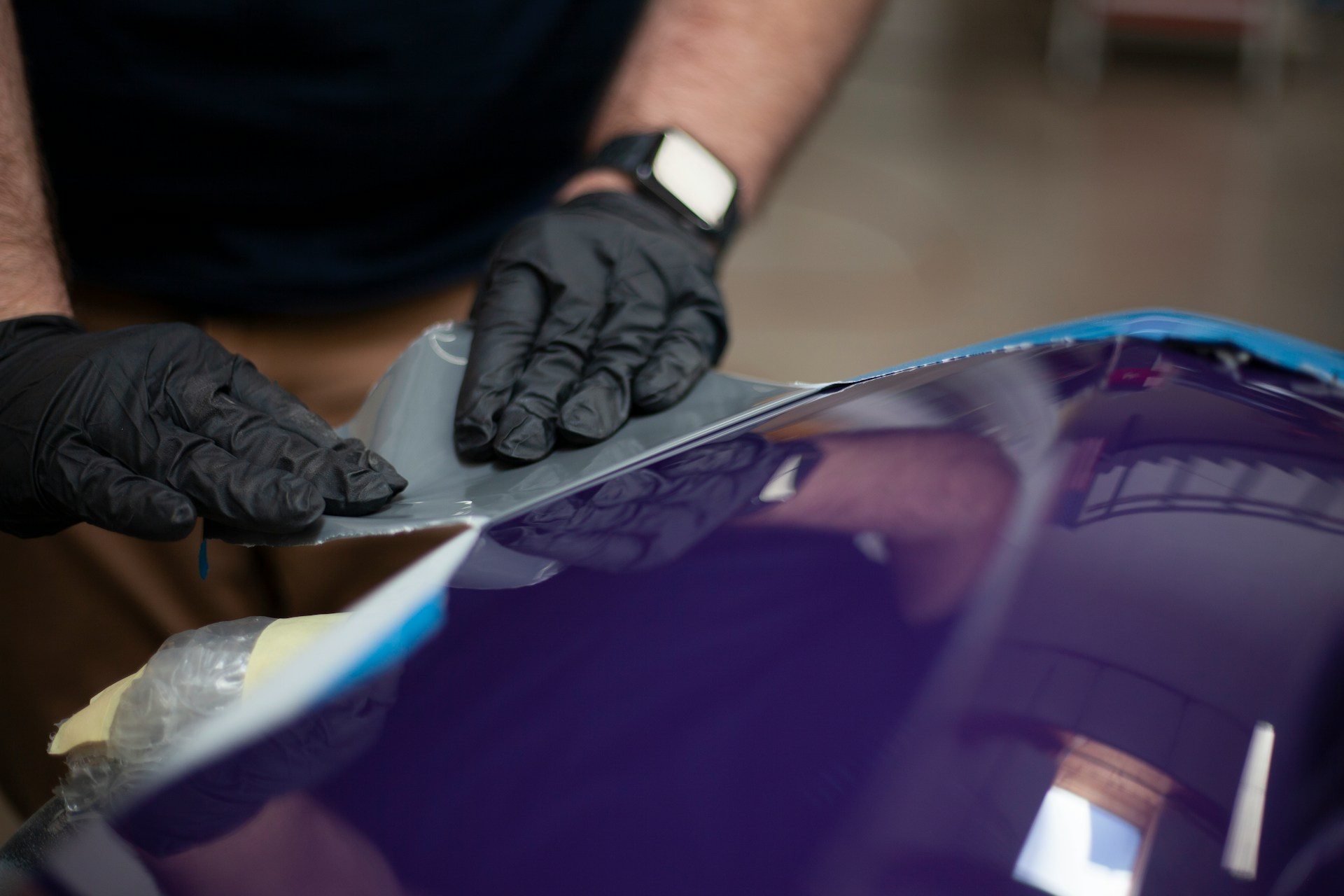
Professional paint restoration improving vehicle resale appearance
How Professional Paint Restoration Can Improve Resale Value

Owning a vehicle is not only about convenience but also about maintaining long-term value. In competitive used-car markets, condition often matters just as much as mileage or brand reputation. Buyers today are more informed, more cautious, and more focused on visible quality when making purchasing decisions.

Even minor cosmetic damage can influence how a potential buyer perceives a vehicle. Scratches, faded panels, or uneven paintwork may suggest neglect, even when the engine and mechanical systems are in excellent condition. This is where careful bodywork and visual improvements play a significant role in protecting resale potential.

One of the most effective ways to address exterior wear is through paint restoration. When carried out professionally, it can significantly improve the overall presentation of a vehicle, helping it stand out in a crowded market while also supporting a higher asking price.

Why Exterior Condition Influences Buyer Confidence

First impressions are powerful in automotive sales. A vehicle that looks well-maintained tends to be perceived as mechanically reliable, even before any inspection takes place. This perception directly affects buyer confidence and willingness to pay.

Modern buyers often compare multiple listings online before viewing a car in person. High-quality images highlighting clean, consistent bodywork can make a significant difference in generating interest. Even subtle imperfections, when visible in photos, can reduce engagement and lower perceived value.

Cosmetic issues such as swirl marks, sun damage, oxidation, and uneven panel gloss may not affect performance, but they do affect psychology. Buyers often associate exterior condition with ownership habits, assuming that visible wear reflects overall maintenance standards.

How Professional Surface Correction Enhances Value

Professional detailing and refinishing go beyond simple cleaning. The process involves careful correction of surface imperfections, polishing, and in some cases, refinishing layers of clear coat to restore depth and clarity. This is not a superficial improvement but a structured approach to visual renewal.

A high-quality finish can transform an older vehicle into something that appears significantly newer and better cared for. In many cases, sellers recover more than the cost of improvements through increased buyer interest and stronger offers.

At this stage, paint restoration plays a critical role in aligning a vehicle’s appearance with its mechanical condition. When the exterior reflects care and precision, buyers are more likely to trust that the vehicle has been properly maintained overall.

The process typically includes inspection, correction of defects, machine polishing, and protective sealing. Each step contributes to a more uniform and refined finish, reducing visible wear and improving reflective quality.

Common Issues That Reduce Resale Appeal

Vehicles naturally develop exterior imperfections over time. Environmental exposure, washing techniques, and road debris all contribute to gradual deterioration. Even well-kept cars can show signs of aging that affect their market appeal.

Some of the most common issues include:

  • Clear coat fading caused by prolonged sun exposure
  • Fine scratches and swirl marks from improper washing techniques
  • Stone chips on high-impact areas such as bumpers and bonnets
  • Oxidation leading to dull or chalky paint surfaces
  • Uneven gloss levels across different panels

These imperfections may seem minor individually, but collectively they can significantly reduce perceived value. Buyers often factor in potential refurbishment costs when negotiating price, which can lead to lower offers than expected.

Addressing these issues before listing a vehicle can shift negotiations in the seller’s favour. A well-presented exterior reduces doubt and strengthens justification for a higher asking price.

The Psychological Impact of a Refined Finish

Beyond physical improvements, visual quality influences emotional response. A polished, consistent surface creates a sense of pride and desirability. Buyers are more likely to form a positive attachment when a vehicle looks cared for and visually balanced.

Even subtle enhancements can change perception. A deeper gloss, smoother reflections, and uniform colour tone all contribute to the impression of newer condition. This is particularly important in markets where buyers have multiple similar options.

Professional surface enhancement also reduces negotiation friction. When a car presents well, buyers have fewer visible flaws to use as bargaining points. This can lead to faster sales and fewer price reductions during discussions.

Benefits of Investing in Exterior Enhancement

Improving a vehicle’s appearance before sale offers several practical advantages. It is not only about aesthetics but also about positioning the car more competitively in the market.

Key benefits include:

  • Increased perceived value and stronger first impressions
  • Faster sale times due to improved listing appeal
  • Reduced buyer objections during inspections
  • Higher likelihood of receiving offers closer to asking price
  • Improved online listing performance through better imagery

Each of these benefits contributes to a more efficient and profitable selling process. In many cases, small cosmetic investments yield disproportionately positive returns compared to their cost.

What Buyers Look for During Inspection

When viewing a used vehicle, buyers typically focus on both macro and micro details. While overall condition matters most, small imperfections can influence final decisions.

Common inspection focus areas include paint consistency, panel alignment, scratch visibility, and gloss uniformity. Buyers also pay attention to how light reflects off the surface, as uneven reflections can indicate previous damage or repairs.

A professionally finished exterior reduces uncertainty during inspection. It signals that the vehicle has been properly maintained and reduces concerns about hidden issues or future repair costs.

Choosing Professional Services for Best Results

Not all cosmetic improvement services offer the same level of quality. Choosing a reputable provider is essential to ensure lasting results and avoid unnecessary damage to the vehicle’s surface.

Important factors to consider include:

  • Experience with different paint types and finishes
  • Use of proper correction tools and techniques
  • Attention to detail during inspection and preparation
  • Quality of protective coatings applied after finishing
  • Transparency in explaining the process and expected outcomes

A professional approach ensures that improvements are not only visible but also durable. Poor workmanship can lead to uneven surfaces or long-term damage, which may reduce rather than increase resale value.

In competitive markets, investing in skilled workmanship can make a measurable difference in final sale price and buyer perception.

Long-Term Value and Market Positioning

A well-maintained exterior does more than support immediate resale value. It also strengthens long-term positioning in the used-car market. Vehicles that consistently present well tend to attract more attention, retain value better, and move faster when listed for sale.

This becomes particularly important in regions with high competition and diverse vehicle supply. Buyers often prioritise condition over minor specification differences, making visual appeal a key differentiator.

Maintaining exterior quality over time reduces the need for heavy price reductions later. Even when ownership is short-term, the benefits of presentation-focused maintenance are often reflected in final sale outcomes.

A carefully managed approach to exterior care, including structured correction and finishing, ensures that a vehicle remains competitive regardless of age or mileage.

Person practicing precision target shooting in an outdoor range
How to Improve Accuracy in Precision Shooting Sports

Precision shooting sports demand a combination of discipline, technique, and consistency. Whether you are involved in target shooting with air rifles, archery, or slingshots, accuracy is never accidental. It is built through repetition, refinement, and a deep understanding of how small variables affect performance.

Many beginners assume that improving accuracy is about upgrading equipment alone, but the reality is more complex. Body mechanics, mental focus, and environmental awareness all play a significant role in how well shots land on target. Even subtle inconsistencies can lead to major deviations over distance.

In modern recreational and competitive shooting communities, brands such as GX Slingshots are often associated with entry-level and intermediate precision slingshot shooting. However, even the best equipment cannot compensate for poor fundamentals, which makes technique development the true foundation of accuracy.

Understanding Fundamentals of Precision Shooting

At the core of all precision shooting sports is a simple principle: repeatability. Every shot must be executed in as close to the same way as possible. The smallest variation in stance, grip, or release can shift the point of impact.

A stable foundation starts with body alignment. Feet should be positioned consistently relative to the target, and the torso should remain relaxed but controlled. Over-tensioning muscles introduces micro-movements that reduce precision.

Grip consistency is equally important. Whether holding a rifle, bow, or slingshot, pressure should remain even and repeatable. A loose or shifting grip alters the trajectory and introduces unpredictability.

Proper sight alignment and focus are also essential. The shooter must learn to balance focus between the target and aiming reference without straining the eyes. This balance improves with deliberate practice and patience.

Equipment Consistency and Setup

Equipment plays a supportive but critical role in accuracy. Even minor variations in setup can lead to inconsistent results. Consistency in bands, draw weight, or sight calibration is essential for precision sports.

Slingshot users, in particular, often underestimate how much band tension and pouch alignment affect shot grouping. Regular inspection and maintenance ensure that performance remains stable over time.

For example, users of GX Slingshots often find that maintaining identical band lengths and consistent pouch positioning dramatically improves grouping tightness. Even small asymmetries in elastic tension can cause shots to drift left or right unpredictably.

Key equipment considerations include:

  • Ensuring consistent draw length across all shots
  • Regularly replacing worn elastic bands or strings
  • Checking alignment of sights or reference points
  • Maintaining a stable and comfortable grip surface
  • Using the same ammunition type and size for all practice sessions

Beyond slingshots, the same principles apply to archery and air rifle shooting. Standardization reduces variables, allowing the shooter to focus purely on technique rather than compensating for equipment inconsistencies.

Environmental conditions also interact with equipment performance. Humidity, temperature, and wind resistance can subtly alter projectile behavior, especially in lightweight projectile sports.

Breathing, Stance, and Release Control

Breathing control is one of the most overlooked aspects of accuracy. Controlled breathing stabilizes the body and reduces unnecessary movement. Most experienced shooters adopt a pause at the natural respiratory break before releasing a shot.

Stance contributes heavily to balance and recoil absorption. A stable stance distributes weight evenly and prevents sway. Feet should remain firmly planted, with knees slightly relaxed rather than locked.

Release technique must be smooth and deliberate. Any sudden jerk or inconsistent motion will disrupt the shot path. The goal is a controlled, repeatable release that minimizes disturbance to the aiming system.

Developing this consistency takes time. Repetition under controlled conditions is more valuable than rapid, unfocused practice sessions.

Mental Focus and Visualization

Accuracy is as much mental as it is physical. Focus determines whether physical skills can be executed effectively under pressure. A distracted mind leads to inconsistent execution, even with strong technical ability.

Visualization is a powerful tool in precision sports. Mentally rehearsing the shot before execution helps align movement patterns and timing. Over time, this creates a conditioned response that improves consistency.

Stress management also plays a role. Competitive environments introduce pressure that can disrupt rhythm and timing. Learning to maintain calm under these conditions is essential for long-term improvement.

Some shooters use routine-based preparation to stabilize their mindset. Repeating the same pre-shot sequence helps signal the brain that it is time to focus and execute.

Environmental Factors Affecting Accuracy

Outdoor shooting introduces variables that cannot be fully controlled. Wind is one of the most significant factors affecting projectile trajectory. Even light gusts can alter shot placement at longer distances.

Lighting conditions also influence aiming precision. Shadows, glare, and inconsistent lighting can distort visual perception of the target. Adjusting position or waiting for stable conditions can improve outcomes.

Temperature and humidity affect both equipment and projectile behavior. Elastic materials may expand or contract slightly, and air density can influence flight paths in subtle but measurable ways.

Successful shooters learn to read their environment continuously. Rather than resisting these variables, they adapt their technique accordingly.

Training Drills for Consistent Improvement

Structured practice is essential for long-term progress. Random shooting without focus rarely leads to meaningful improvement. Instead, targeted drills that isolate specific skills are more effective.

Repetition-based training helps reinforce muscle memory. Shooting at the same distance repeatedly builds familiarity with trajectory and correction patterns. Over time, this creates predictable outcomes.

A useful training approach includes:

  • Practicing at fixed distances before increasing range
  • Focusing on grouping rather than single-shot accuracy
  • Alternating between slow deliberate shots and timed drills
  • Recording performance trends to identify inconsistencies
  • Practicing under varying environmental conditions

Progress should be measured in consistency, not just occasional accuracy. Tight grouping is a stronger indicator of skill development than isolated successful shots.

Coaching or peer feedback can also accelerate improvement by identifying subtle errors that are difficult to notice individually.

Safety and Responsible Practice

Safety is fundamental in all precision shooting sports. Proper handling, awareness of surroundings, and controlled environments are essential to prevent accidents. Every session should begin with a clear understanding of safe direction and backstop use.

Protective equipment, such as eye protection, is strongly recommended regardless of experience level. Even low-powered projectile sports can cause injury if mishandled.

Storage of equipment should also be considered carefully. Elastic materials and projectiles must be kept in safe conditions to avoid degradation or unintended use.

Responsible practice extends beyond the individual. Respect for public spaces, other people, and legal guidelines ensures that the sport remains accessible and sustainable.

Accuracy improves most effectively when practice is structured, safe, and intentional. Combining technical refinement with mental discipline leads to steady, long-term development in precision shooting sports.