Franschhoek Wine Tours for Foodies: Gourmet Pairings and Tastings
Travel experiences are often most memorable when they combine movement, place, and a strong sense of connection to the environment. Exploring vineyards by bicycle offers exactly that balance, allowing visitors to slow down while still covering meaningful ground. In the heart of the Cape Winelands, Franschhoek provides an ideal setting for this kind of immersive journey, where scenic routes and historic farms unfold at a comfortable pace. Many travellers who already enjoy Franschhoek wine tours find that adding cycling creates a more engaging and personal experience.
Unlike traditional vehicle-based outings, a wine and bike tour encourages active participation rather than passive observation. The rhythm of pedalling between estates gives you time to absorb the landscape, appreciate subtle changes in terrain, and arrive at each stop with a sense of anticipation. For those accustomed to structured Franschhoek wine tours, this approach feels refreshingly flexible while still delivering the region’s signature elegance and hospitality.
Planning ahead makes all the difference. Knowing how to pace yourself, what to expect from the route, and how tastings are typically structured ensures that the day remains enjoyable rather than exhausting. With the right preparation, a wine and bike adventure becomes less about endurance and more about balance, discovery, and enjoyment.
Understanding What a Wine and Bike Tour Involves
A wine and bike tour blends leisure cycling with curated wine tasting stops, usually across several estates within a defined area. Distances are generally manageable, designed for casual riders rather than seasoned cyclists. The focus is not speed, but comfort and enjoyment, with ample opportunities to stop, rest, and explore.
Most routes follow quiet farm roads or dedicated cycling paths, keeping riders away from heavy traffic. The terrain around Franschhoek is varied but forgiving, offering gentle slopes interspersed with flatter stretches. This variety keeps the ride interesting without becoming overly demanding, even for those who do not cycle regularly.
Importantly, wine tastings are spaced to allow riders to enjoy each estate without feeling rushed. This structure encourages mindful tasting and responsible consumption, ensuring the experience remains pleasant throughout the day.
Choosing the Right Time of Year
Seasonal considerations play a significant role in shaping your experience. Franschhoek enjoys a Mediterranean climate, but conditions can vary dramatically depending on the time of year.
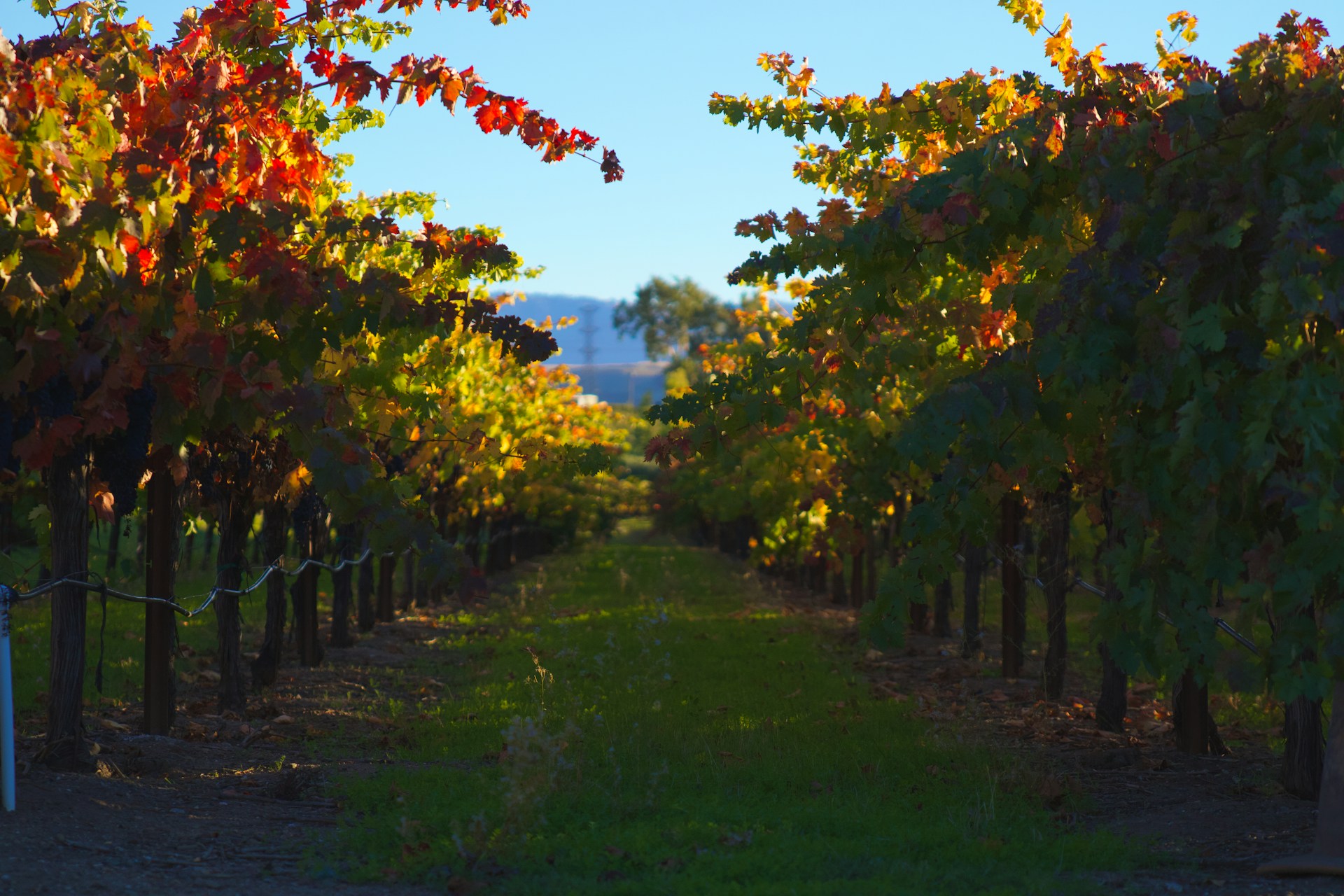
Spring and autumn are often considered ideal for cycling. Temperatures are moderate, vineyards are visually striking, and the roads are less crowded than during peak summer months. Summer, while vibrant and lively, can be quite hot, making hydration and sun protection especially important.
Winter brings cooler weather and fewer visitors, which appeals to those seeking a quieter, more introspective outing. While rain is possible, many winter days are crisp and clear, offering dramatic mountain views and a different perspective on the valley.
Selecting a Suitable Route
Not all routes are created equal, and choosing one that aligns with your fitness level and interests is essential. Some routes prioritise iconic estates and established tasting rooms, while others venture into lesser-known areas for a more intimate experience.
When assessing a route, consider the following factors:
-
Total distance and elevation gain
-
Number of tasting stops included
-
Availability of rest points or cafés along the way
-
Road conditions and cycling infrastructure
A balanced route should allow enough time at each estate without feeling like a race against the clock. Many riders prefer fewer stops with more time to savour each tasting, rather than trying to see everything in one day.
Preparing Physically and Mentally
While a wine and bike tour is not a strenuous athletic event, a basic level of preparation enhances enjoyment. Comfortable clothing suited to cycling, along with closed shoes, makes riding more pleasant. Layering is advisable, as temperatures can change throughout the day.
Equally important is pacing yourself. Starting slowly allows your body to warm up and helps establish a sustainable rhythm. There is no need to keep up with others if your group includes riders of varying abilities. The experience is meant to be shared, not competitive.
Mentally, approaching the day with flexibility is key. Unexpected delays, extended tastings, or spontaneous detours often become highlights rather than inconveniences when expectations are relaxed.
Managing Wine Tastings Responsibly
Combining alcohol with physical activity requires mindful decision-making. Most estates offer tasting portions that are modest by design, but it is still wise to pace yourself and drink water regularly.
A few practical strategies help maintain balance:
-
Alternate wine tastings with water at each stop
-
Share tastings when possible to limit intake
-
Eat a substantial breakfast before setting out
-
Plan a lunch stop to anchor the middle of the day
These simple measures ensure that energy levels remain steady and that the cycling remains safe and enjoyable from start to finish.
Making the Most of Estate Stops
Each wine estate in Franschhoek has its own personality, shaped by history, winemaking philosophy, and setting. A wine and bike tour allows you to experience these differences more intimately than a rushed drive-by visit.
Take time to walk through the vineyards, speak with staff, and ask questions about the wines you are tasting. Many estates also feature gardens, art installations, or historic buildings that add depth to the visit. Slowing down at each stop transforms the outing into a series of meaningful encounters rather than a checklist of tastings.
Photography enthusiasts will also appreciate the frequent opportunities to capture views that are often missed when travelling by car.
What to Expect from Guided vs Self-Guided Tours
Both guided and self-guided options have distinct advantages. Guided tours provide structure, local insight, and logistical ease. Routes are pre-planned, reservations are handled in advance, and guides often share stories that enrich the experience.
Self-guided tours, on the other hand, offer flexibility. You can linger longer at estates you enjoy or adjust the route based on energy levels. This approach suits independent travellers who are comfortable navigating and managing their own timing.
Those familiar with traditional Franschhoek wine tours may find that a guided bike option offers the best of both worlds, combining expert curation with the freedom of cycling.
Safety Considerations on the Road
Safety should never be an afterthought. Helmets are essential, regardless of experience level, and bikes should be properly fitted before departure. A brief check of brakes, gears, and tyre pressure goes a long way in preventing issues later.
Staying visible is also important. Bright clothing and awareness of your surroundings help ensure that drivers and other cyclists can see you clearly. Obeying road rules and signalling intentions maintains a respectful environment for everyone sharing the route.
Carrying a small backpack or bike-mounted bag with essentials such as sunscreen, water, and a phone adds peace of mind throughout the day.
Enhancing the Experience with Food Pairings
Food plays a central role in the enjoyment of wine, and many estates offer thoughtfully curated pairings. Incorporating a lunch stop or tasting menu into your route adds structure and ensures sustained energy.
Options range from casual picnic-style meals to more refined dining experiences. Choosing lighter dishes earlier in the day and saving richer fare for later often aligns well with the natural rhythm of cycling.
These moments of rest and nourishment provide an opportunity to reflect on the wines tasted so far and reset before continuing the ride.
Ending the Day on a Relaxed Note
As the day winds down, the final stretch of cycling often feels more reflective than energetic. Muscles are pleasantly tired, senses are heightened, and the valley takes on a softer tone in the late afternoon light.
Returning bikes, enjoying a final refreshment, or simply sitting and taking in the surroundings helps bring closure to the experience. For many visitors, this unhurried ending is what distinguishes a wine and bike outing from more conventional Franschhoek wine tours.
By embracing a slower pace, staying attentive to your body, and allowing room for spontaneity, a wine and bike tour becomes more than a novelty. It becomes a deeply engaging way to experience Franschhoek, one pedal stroke and one sip at a time.